Paul JAS Center
Signage & Experiential Design for Jazz Aspen Snowmass's New Home in Aspen, Colorado
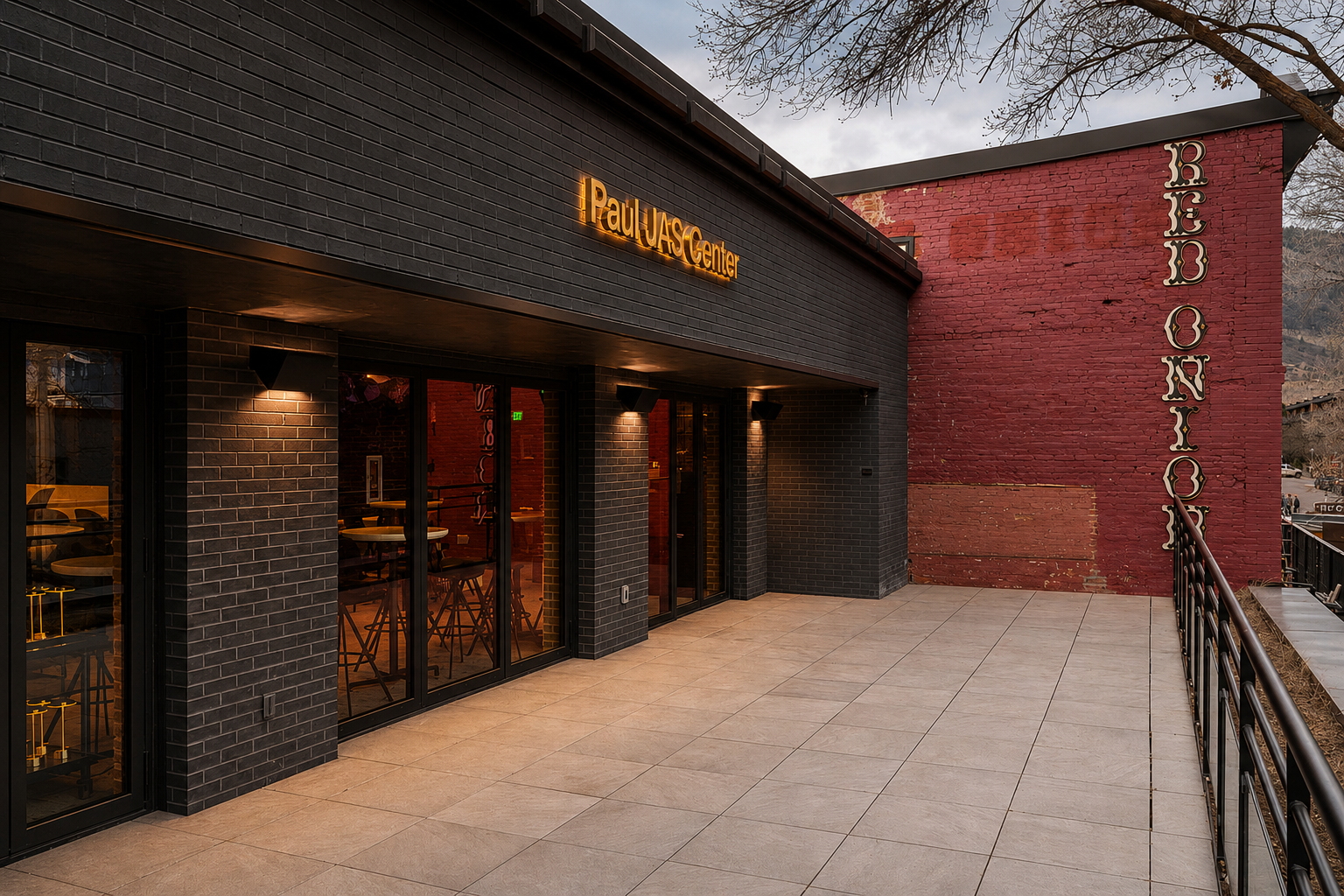
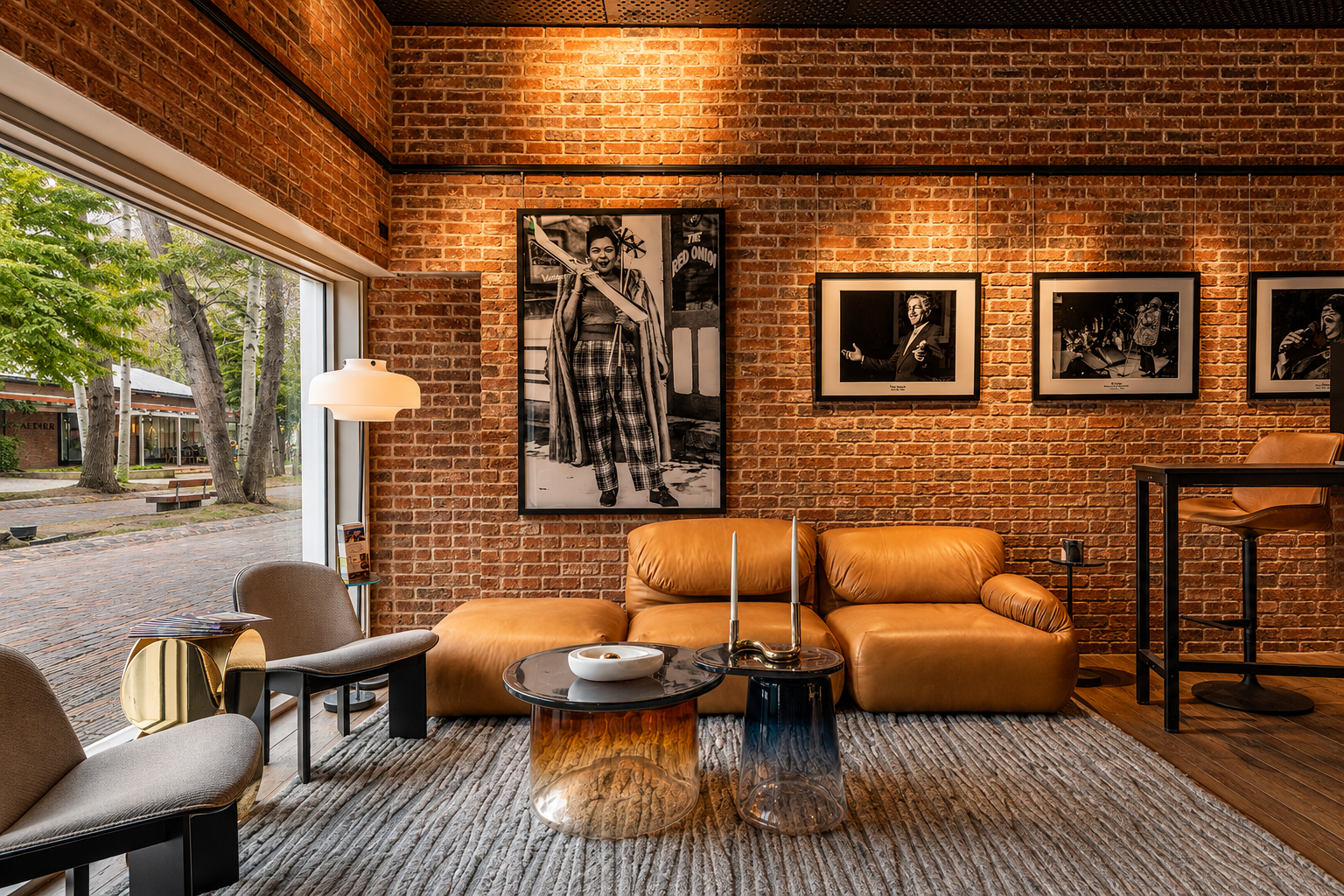
Monoco Signs designed and fabricated the complete signage and experiential design program for the Paul JAS Center, the new permanent home of Jazz Aspen Snowmass (JAS) at 422 E. Cooper Ave in downtown Aspen, Colorado. Built above the historic Red Onion, a building that has anchored Aspen's Cooper Avenue Mall since 1892 and once hosted performances by Billie Holiday, Ella Fitzgerald, and Duke Ellington, the 6,000-square-foot venue opened in December 2025 as JAS's first permanent home after more than three decades as a touring nonprofit.
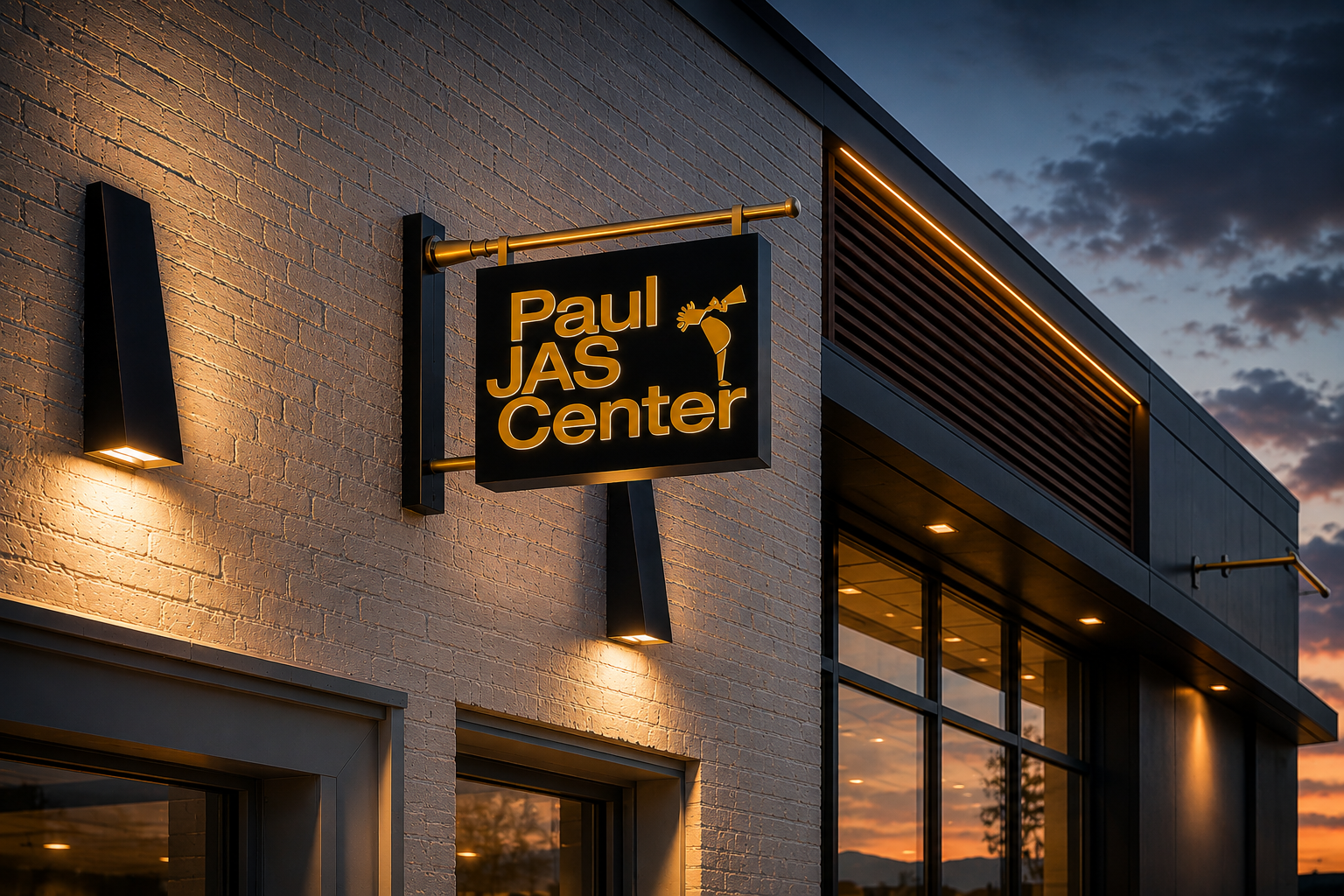
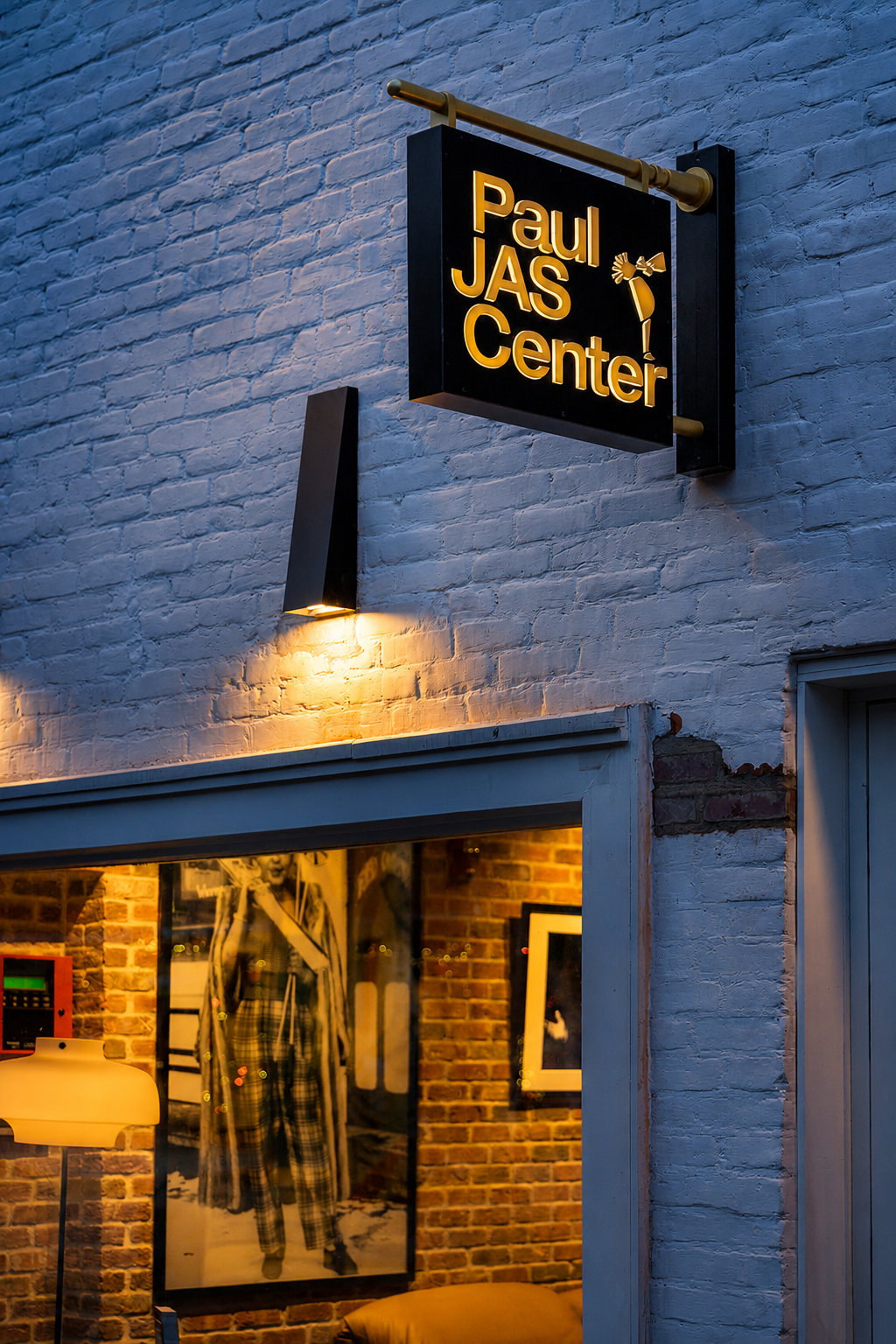
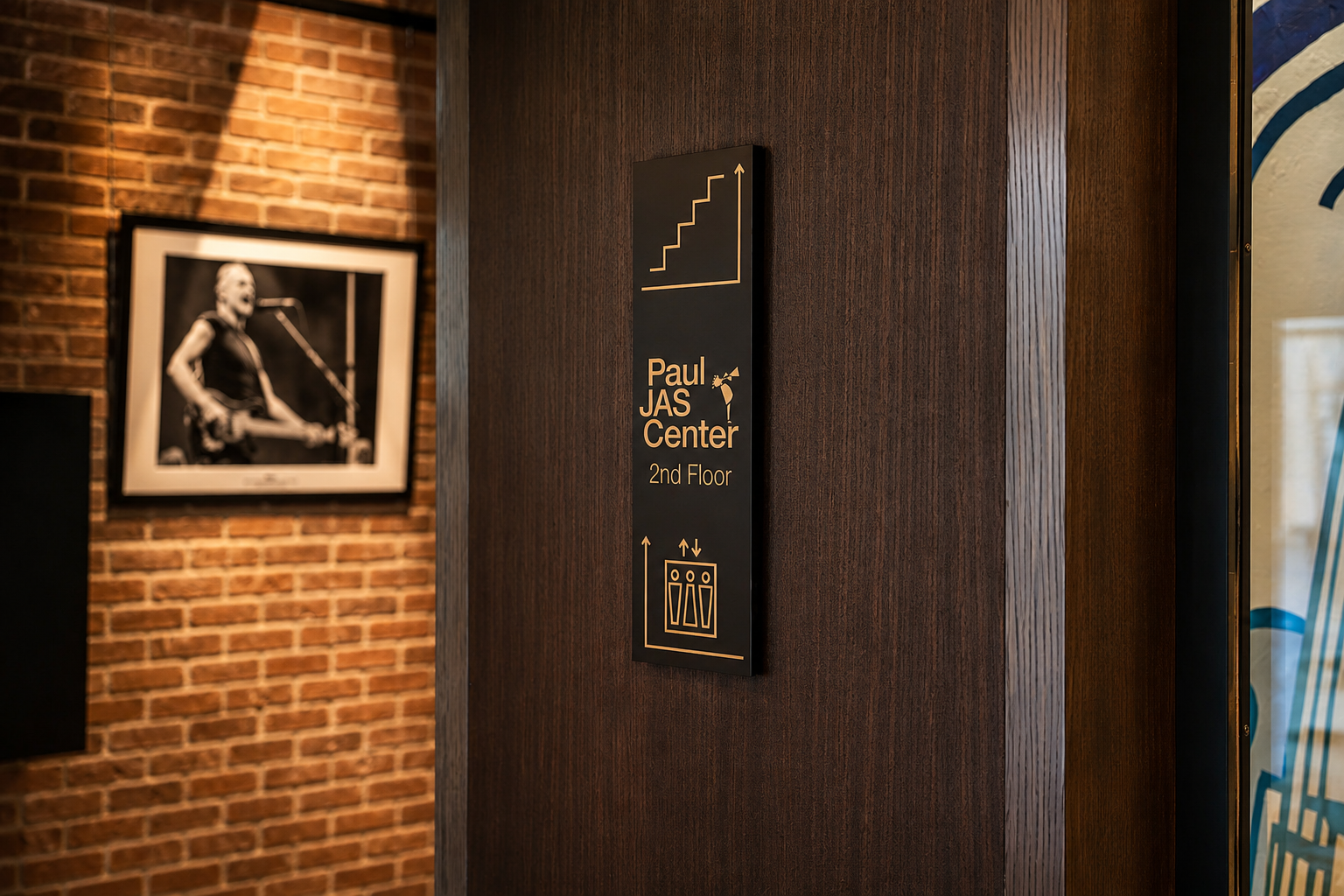
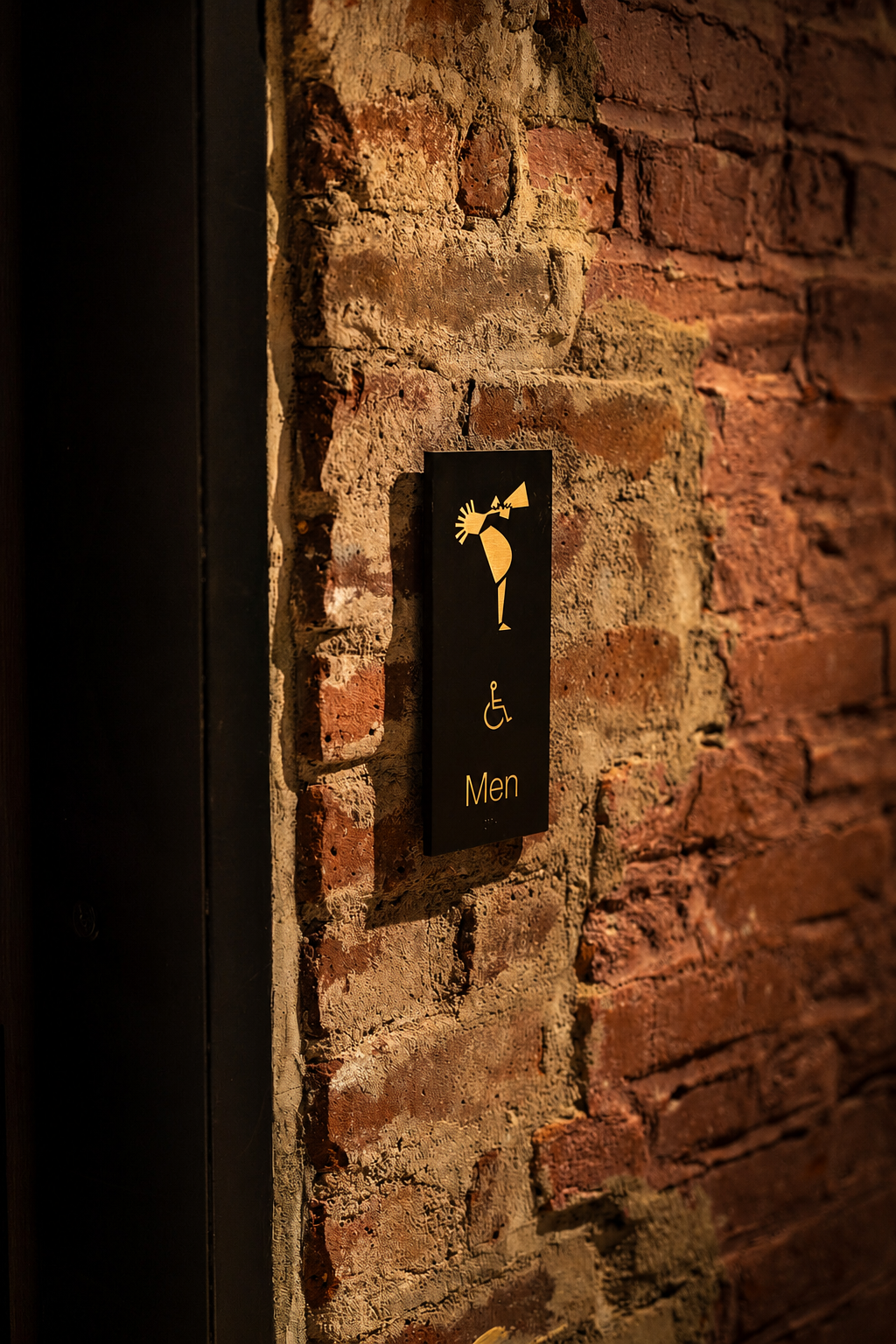
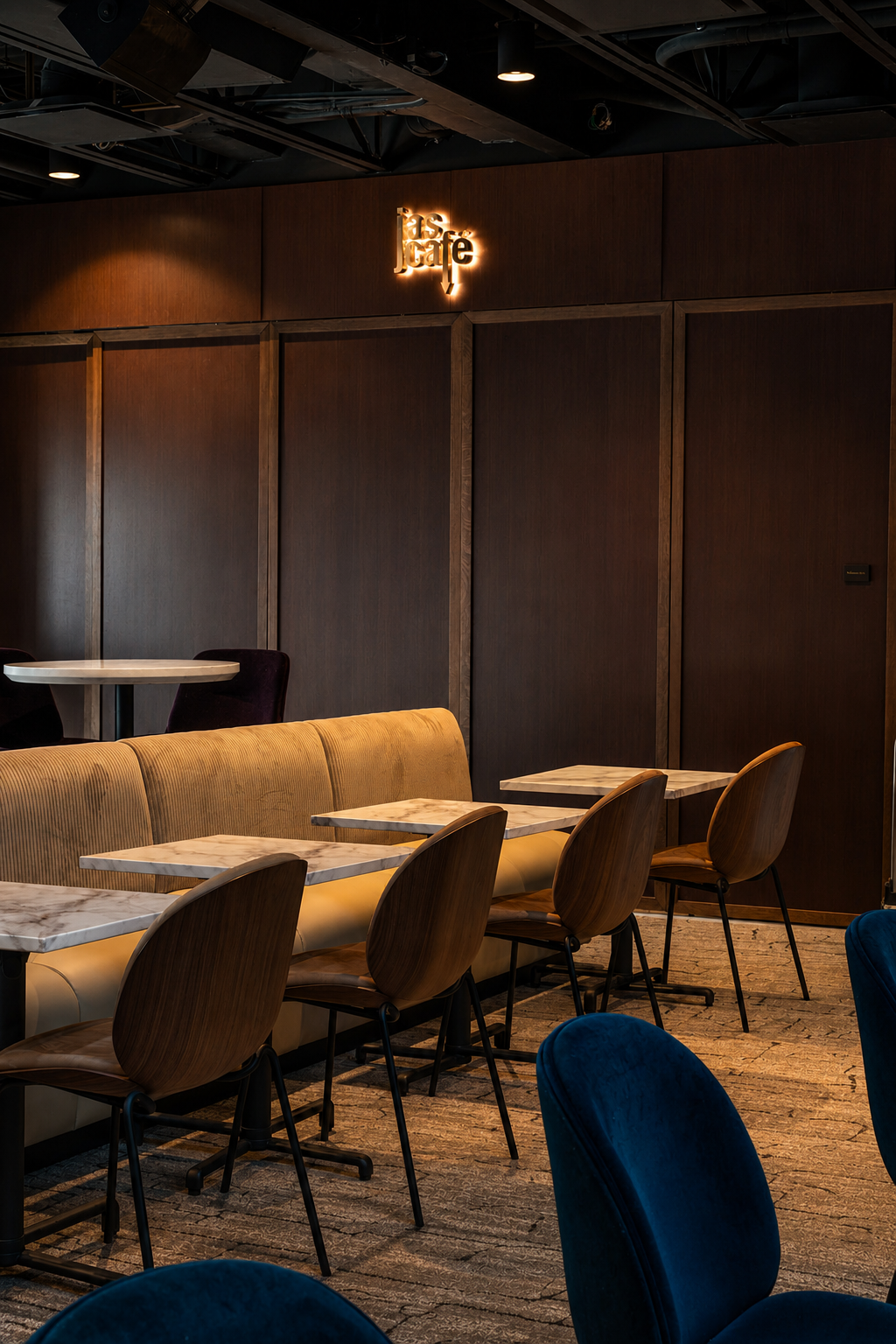
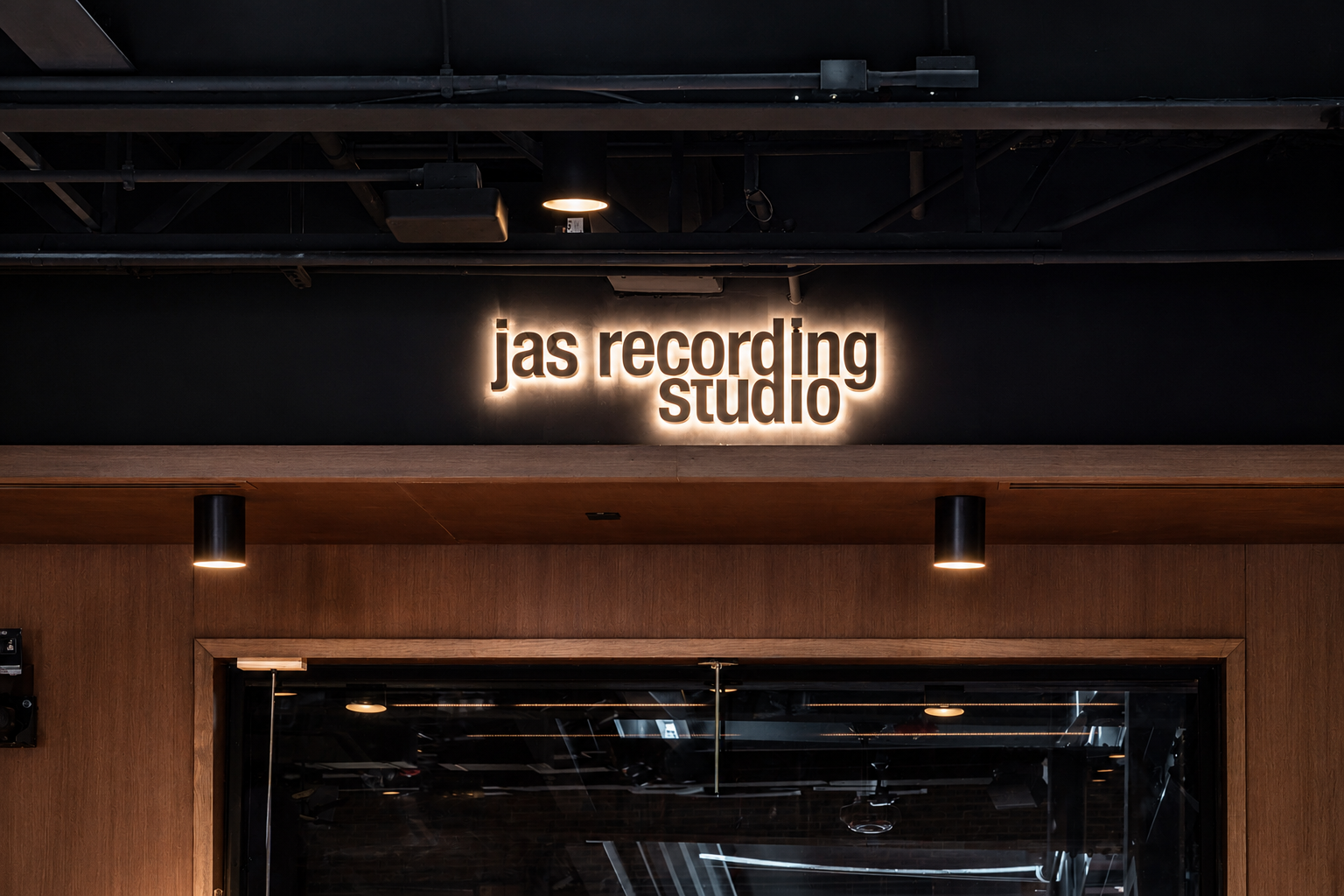
Monoco's scope covered every layer of the guest experience, from the street to the stage. Exterior identity signage, including backlit channel letters and a brass blade sign bearing the Paul JAS Center name and its custom musician mark, announces the venue on Cooper Avenue. Inside, a coordinated wayfinding system moves guests between the JAS Café, JAS Learning classrooms, the JAS Recording Studio, and the second-floor galleries, with custom pictograms, including a brand-specific restroom icon, carrying the identity down to the smallest touchpoint.
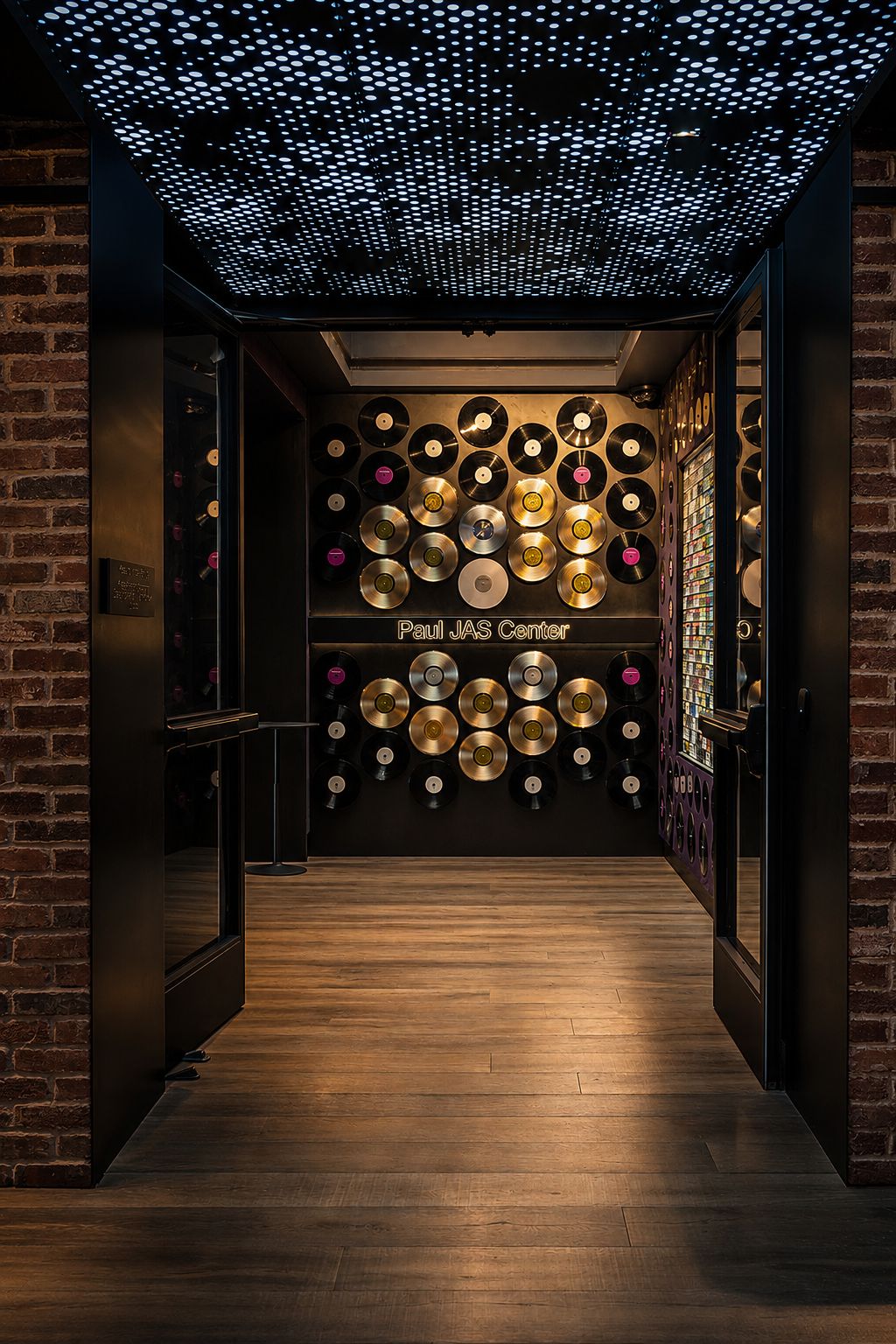
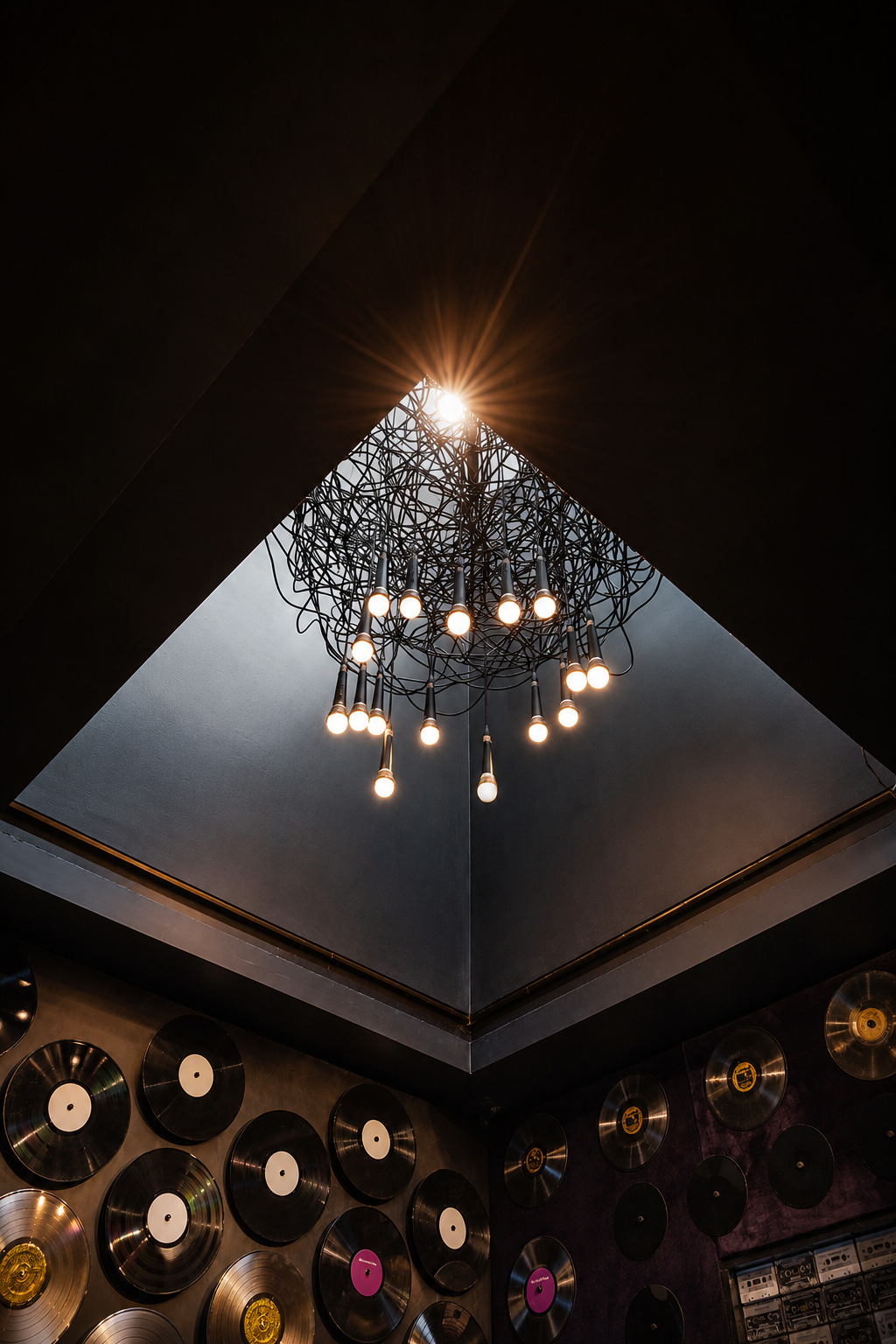
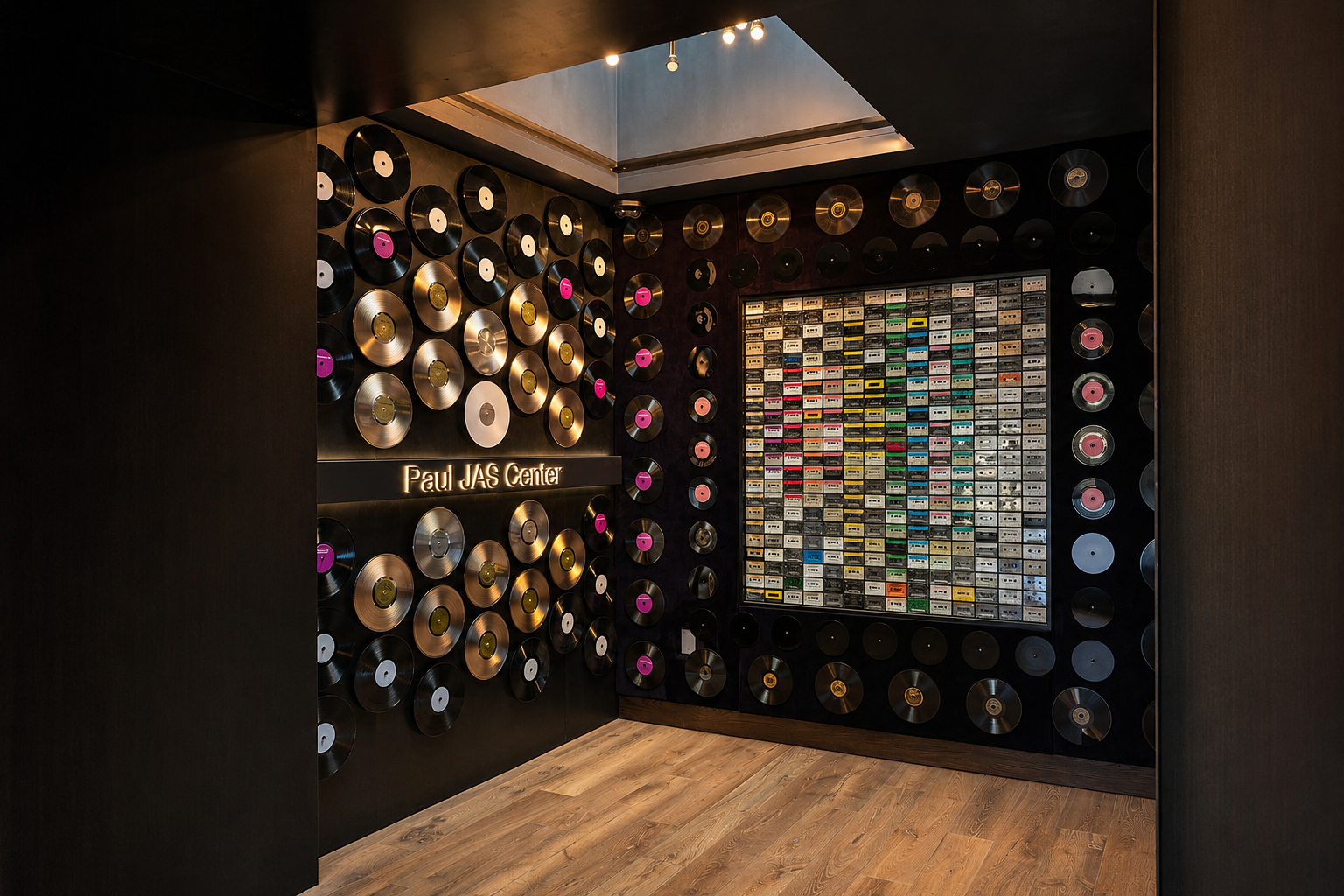
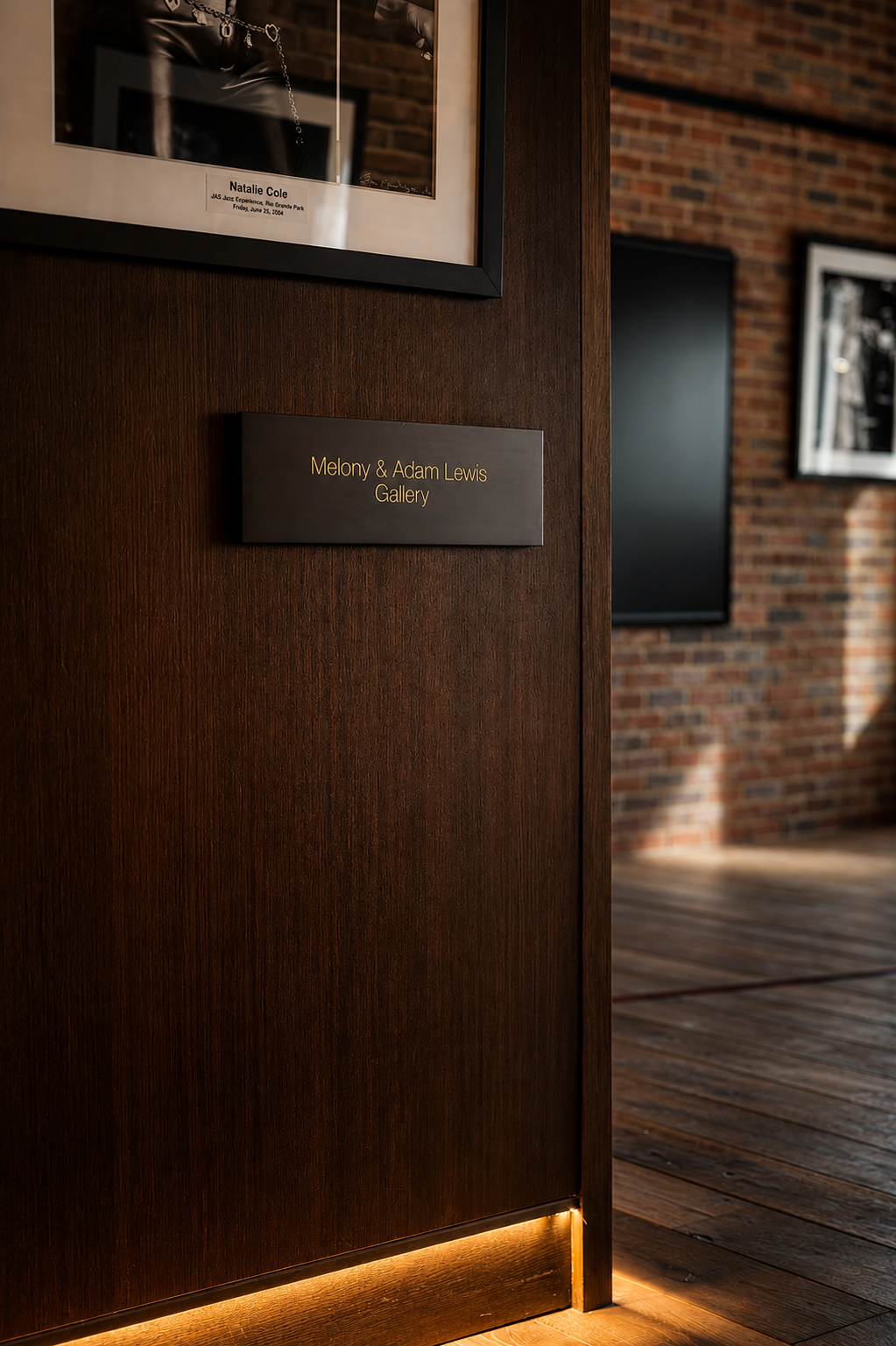
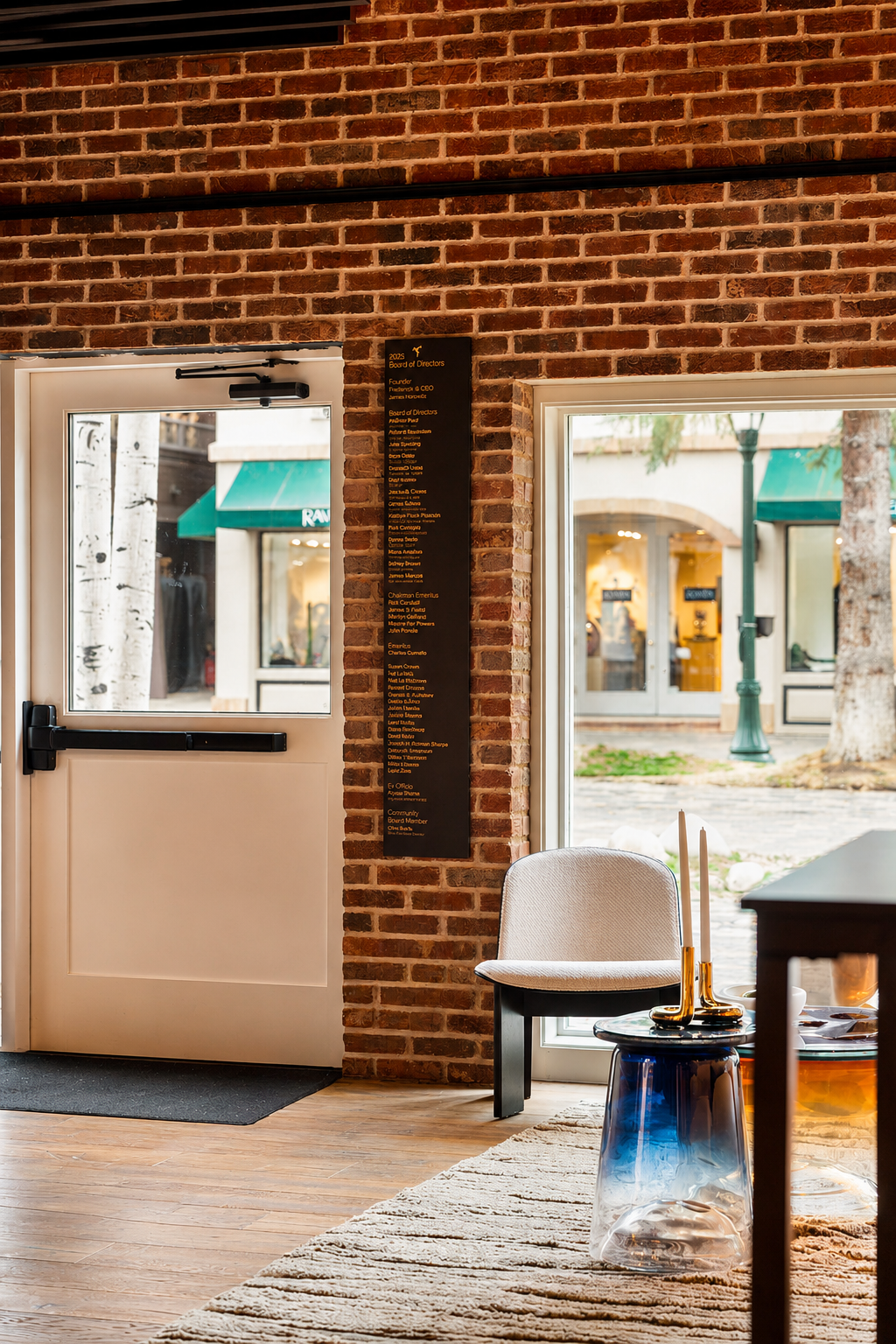
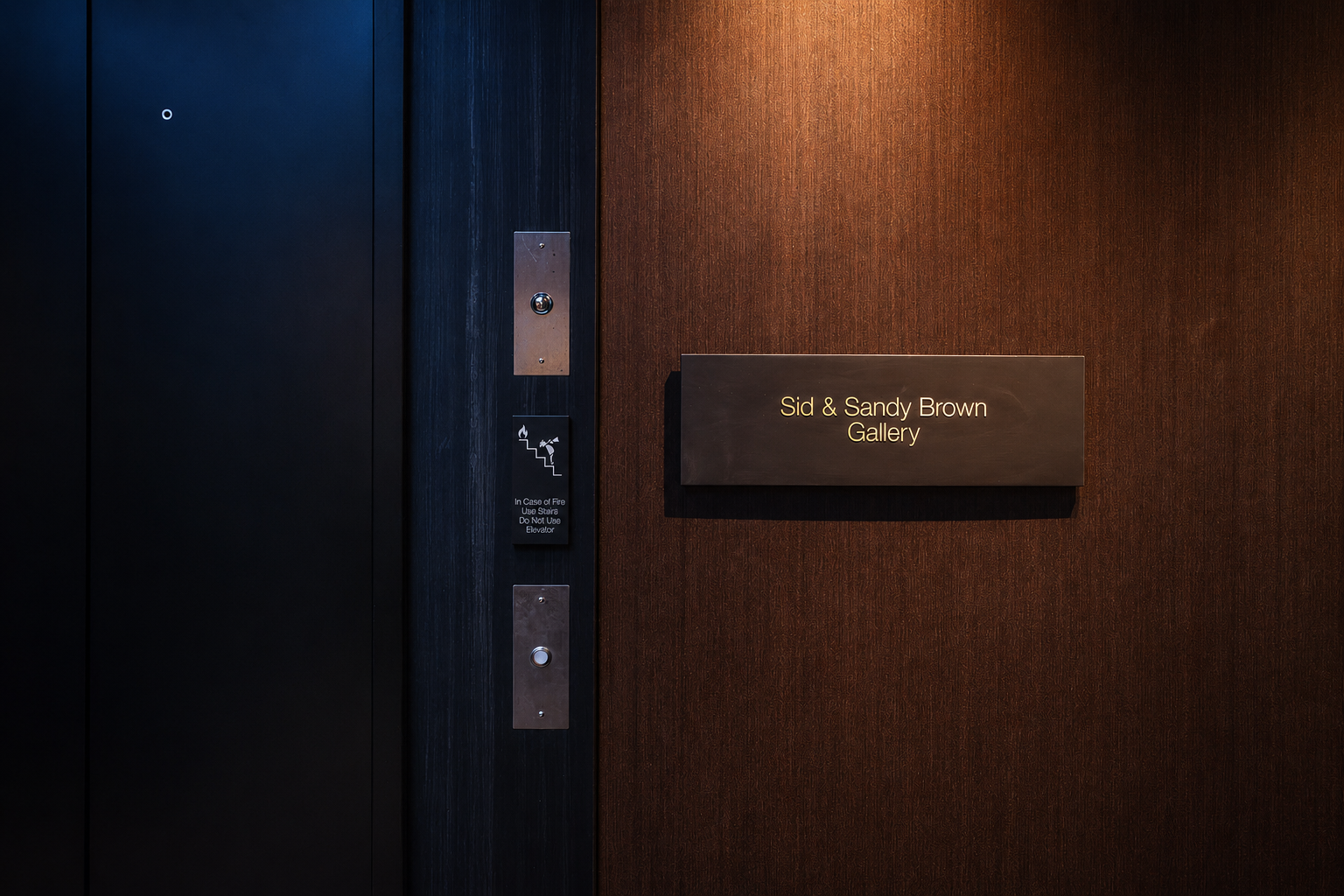
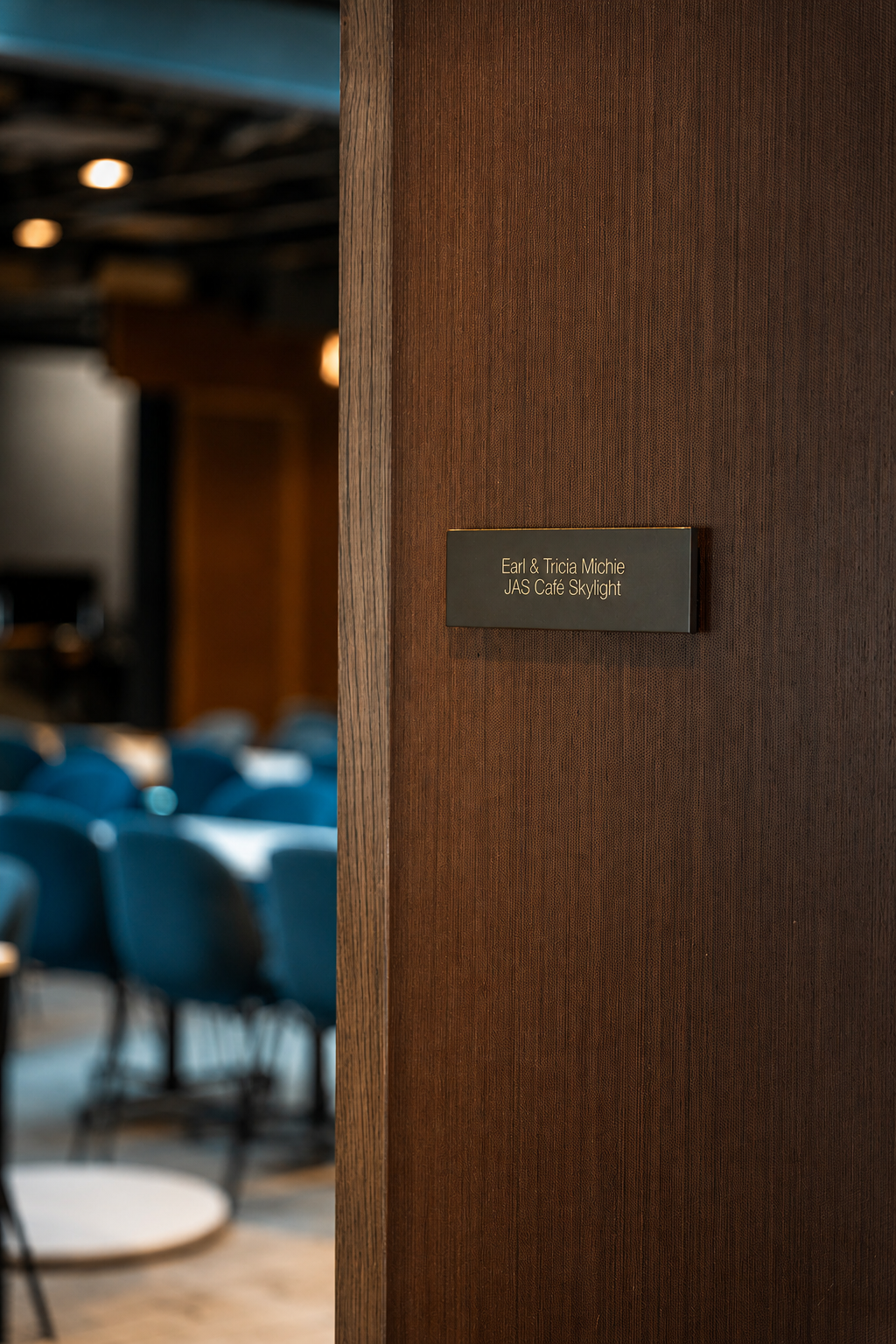
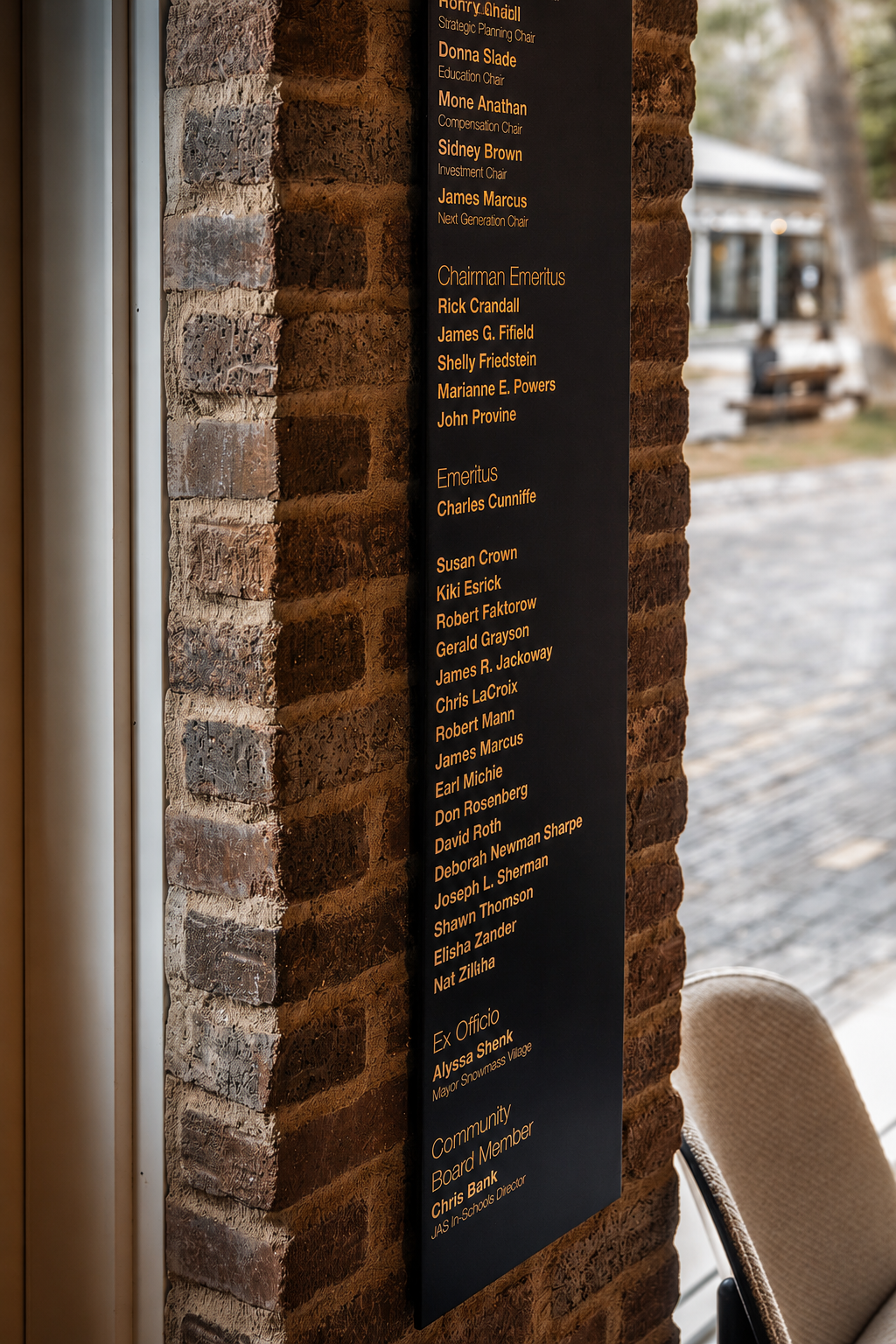
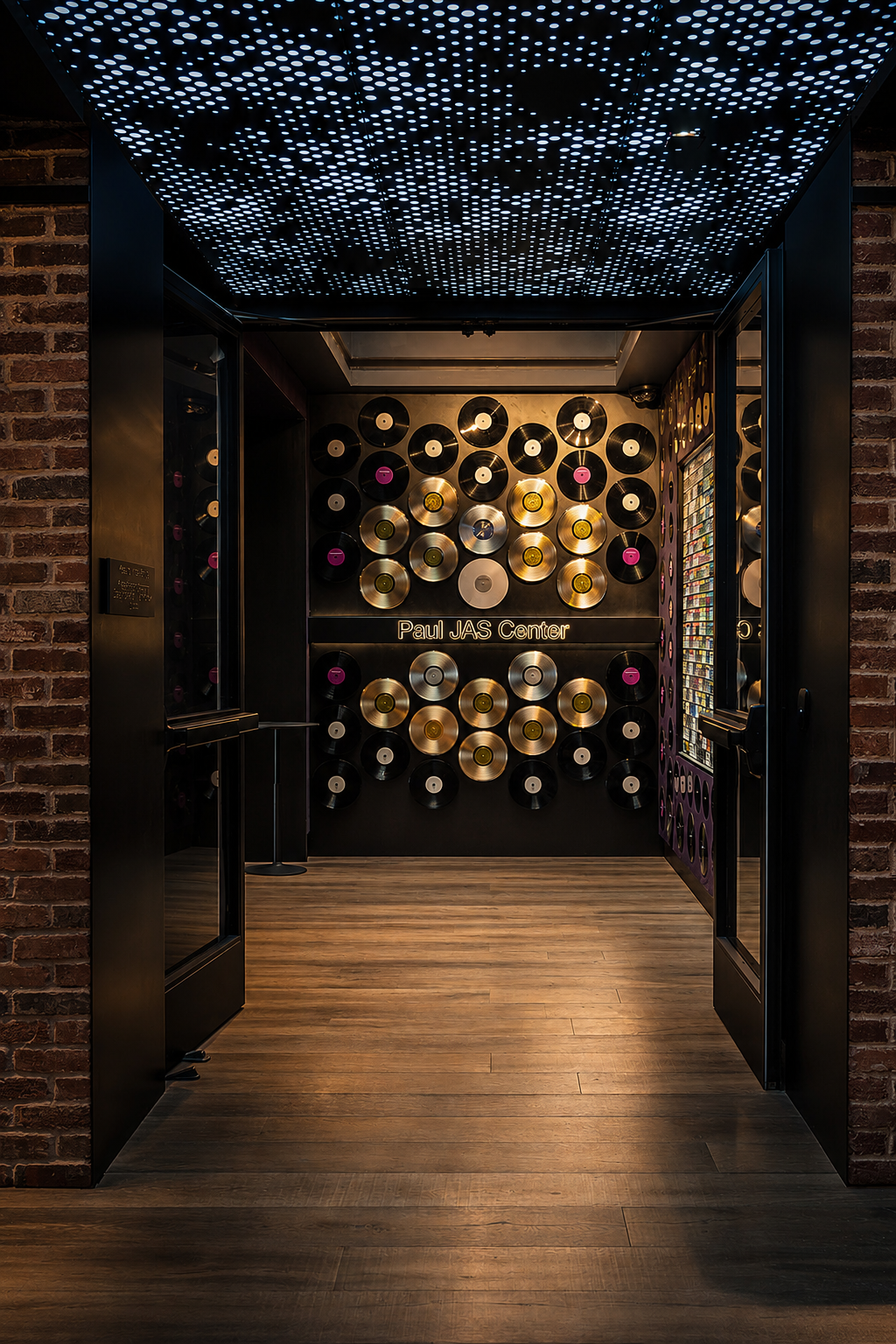
The program's centerpiece is its donor and heritage recognition work: a wall of gold and platinum records and vintage cassette tapes tracing the history of jazz and popular music, a Board of Directors wall etched directly into the venue's historic brick, and named plaques for the Melony & Adam Lewis Gallery, the Sid & Sandy Brown Gallery, and the Earl & Tricia Michie JAS Café Skylight. Sculptural wire-and-bulb chandeliers suspended beneath the building's skylights extend the design language into lighting, anchoring the atrium spaces with the same handmade, tactile quality found throughout the signage.
Every element was designed to feel native to the site: rooted in JAS's history, tuned to Aspen's mountain-town character, and built to guide guests confidently through a building that blends nineteenth-century brick with a fully modern music venue. It reflects Monoco's broader philosophy that if architecture is the package, signage is the label, an extension of the building itself rather than an addition to it.